Choosing a fixed AC unit among the dozens of available brands and models isn’t easy: the technical differences between two single-splits of the same BTU often hide in details like noise level, real-world efficiency, or included smart features. Here are nine models selected to cover every price range and need.
The ranking at a glance
Samsung AR35 12000 BTU — the quietest: just 16 dB for the indoor unit.

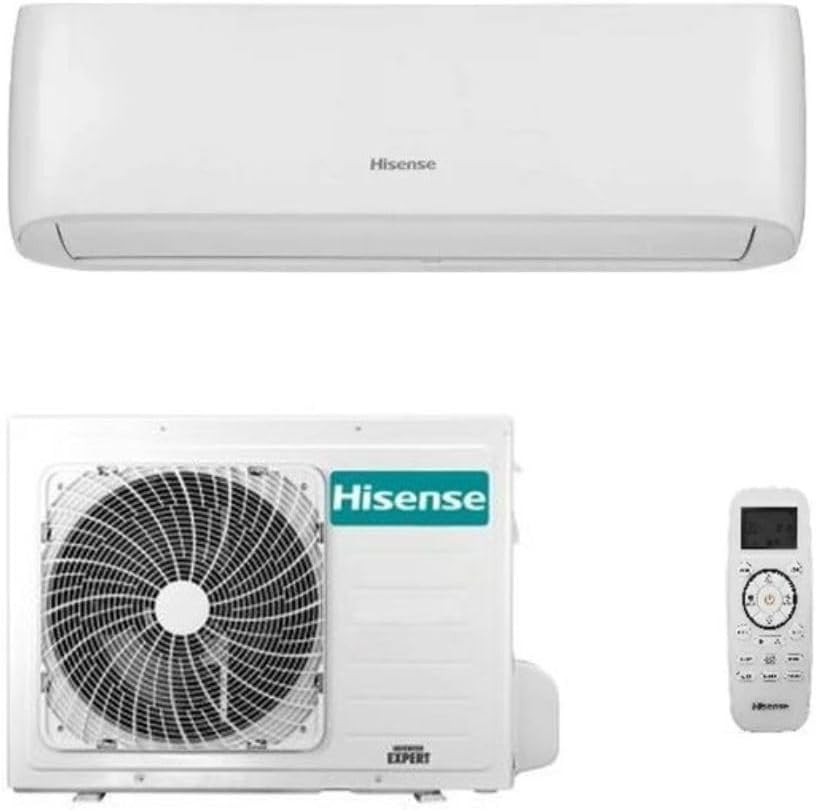
Hisense Easy Smart Wifi — best smart value: built-in Wi-Fi and A+++ class.
LG Monosplit 12000 BTU — balanced Korean pick: good efficiency at an accessible price.

Daikin Monosplit 12000 BTU — best energy efficiency among entry-level brands.

Mitsubishi Electric Monosplit — the flagship pick: reliability and performance at the top of the category.

Daikin ATXF35E — best Inverter technology: up to 30% lower consumption.

Olimpia Splendid Aryal S2 Dual Inverter 14 — best Italian brand, with Wi-Fi included.
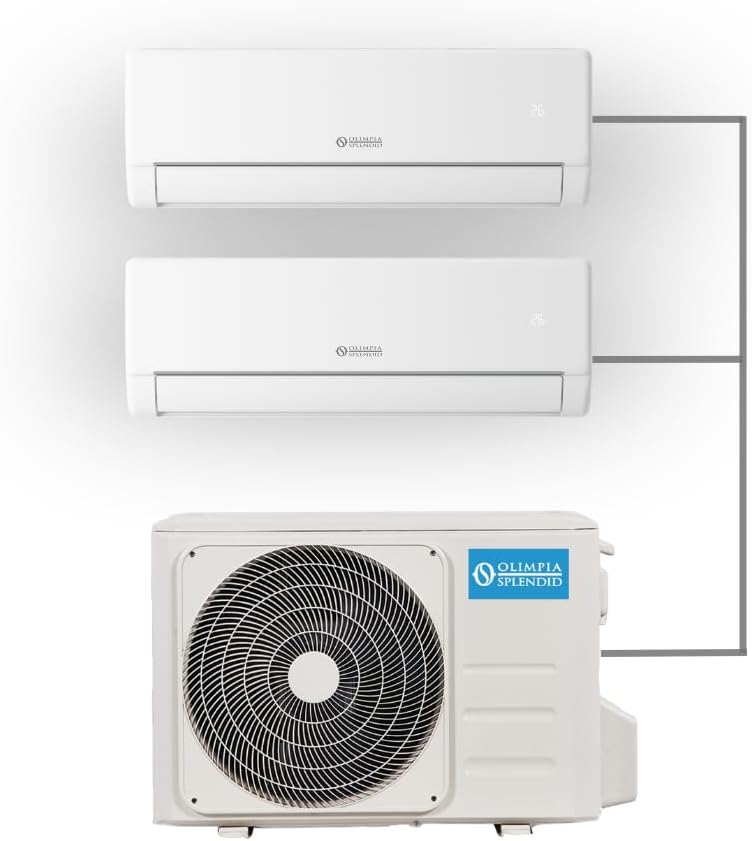
Hisense Dual Split 9000+12000 — best dual-split, with an extended compressor warranty.

Daikin ATXF50A 18000 BTU — the most powerful, for open spaces and large rooms.

How to navigate the brands
If you want maximum quality regardless of budget, Mitsubishi remains the absolute reference according to most installers: reliable motors, high performance, but a higher price — it makes the most sense if you’ll use the unit intensively all year round, for example in an office. For everyday home use, Korean brands like Samsung and LG, or China’s Hisense (rapidly improving in quality in recent years), offer more than enough performance at a noticeably lower price. Daikin sits in between, with a strong reputation for real-world energy efficiency, not just what’s stated on the label.
If you need to cool two rooms, consider a dual-split like the Hisense pick here, but remember: the outdoor motor should be sized assuming you’ll run one indoor unit at a time, not both together. For genuinely large rooms or open spaces, go for an 18,000 BTU unit or higher like the Daikin ATXF50A.
In summary
At the same BTU rating, the differences between brands come down to noise level, real-world efficiency, and tech features (Wi-Fi, sensors, filters). You don’t always need the priciest brand: figure out how you’ll actually use it first, then choose accordingly.