Cameras built for beginners today are surprisingly mature: sensors shared with professional models, smart autofocus, and more accessible prices than a few years ago. Here’s a selection of six models, spanning recent mirrorless cameras and one excellent DSLR that’s still worth considering, to get started without making a mistake.
The ranking at a glance
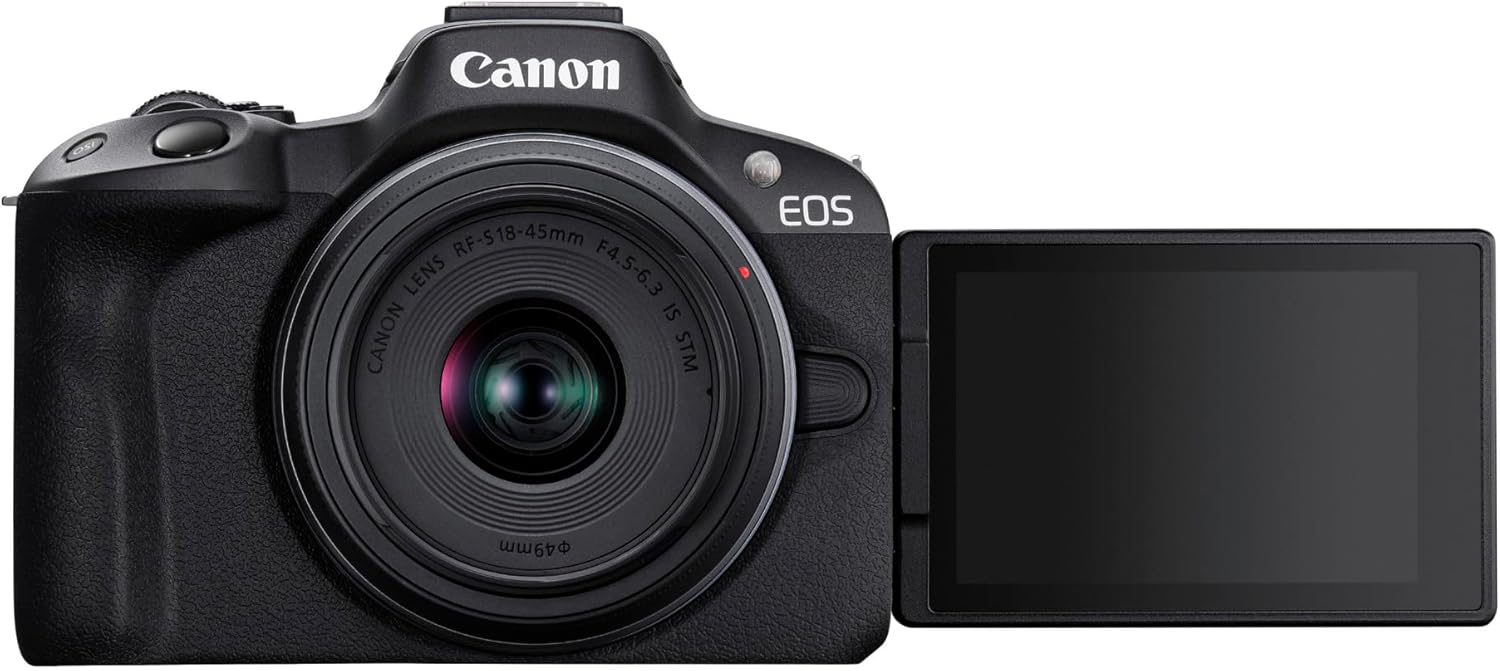
Canon EOS R50 — best entry point: extremely light, with the same sensor as higher-end models and very reliable autofocus.
Canon EOS R10 — most complete for anyone who wants to grow: same image quality as the R50 but with more controls and burst rate up to 23 fps.

Nikon Z50 II — best autofocus in this range: shares its focusing system with the flagship Nikon Z8 and Z9.

Fujifilm X-M5 — most compact and stylish: super compact body and video up to 6K.

Fujifilm X-T30 III — best viewfinder in this range: same sensor as the X-M5, but with a built-in electronic viewfinder.

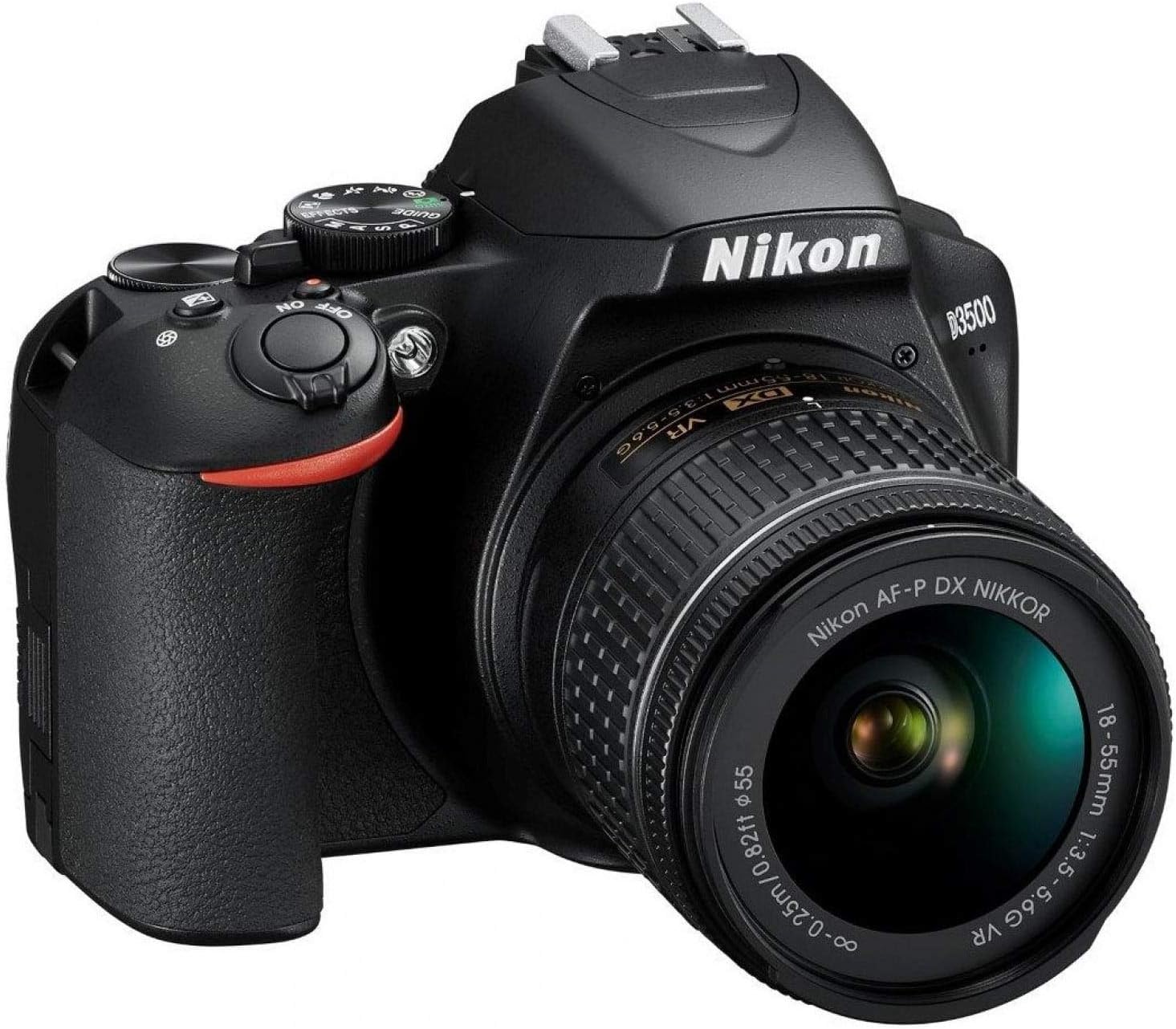
Nikon D3500 — cheapest pick, used included: a DSLR with a guide mode built specifically for first-time shooters.
How to choose between these models
If you’re not sure yet whether you prefer shooting with or without a viewfinder, the Canon EOS R50 and Fujifilm X-M5 (both viewfinder-free) are cheaper and more compact; the Canon EOS R10 and Fujifilm X-T30 III add an electronic viewfinder for anyone who wants a more traditional composing experience. If autofocus matters most to you — maybe because you’ll be photographing kids or moving animals — the Nikon Z50 II is the most convincing pick in this selection. If budget is the absolute priority and you don’t mind DSLR technology, a used Nikon D3500 remains unbeatable for value.
In summary
To get started, any model on this list is a safe choice: the real differences between them are smaller than the spec sheets suggest, and at this level personal taste — ergonomics, colors, whether there’s a viewfinder — matters more than any single spec. Don’t underestimate the used market, especially for your first camera.