Mobile World Congress has, as always, reignited competition among manufacturers, and the flagship segment in 2026 is no exception: here are the five premium smartphones of the moment for anyone who wants only the best, budget be damned.
1. Apple iPhone 17 Pro — unrivaled for video content
Despite an increasingly advanced field of Android rivals, the iPhone 17 Pro keeps a clear edge for anyone working with video content and for privacy-conscious users. The camera system has been further refined, with three 48-megapixel rear sensors and a wide range of focal lengths, but it’s the 18-megapixel front camera — capable of shooting in either orientation — that really makes the difference for content creators. Display and audio remain among the best in the industry. The flip side is an AI suite that lags slightly behind the competition, and one of the highest prices on the market, which hasn’t dropped since launch.

2. Google Pixel 10 Pro — the smartest of the smart
The Pixel 10 Pro bets everything on AI and a camera system that, right now, has no real equal. The Tensor G5 chip is nearly on par with the best in its class, and Android arrives here in its purest, most pleasant form, enriched with both cloud and on-device AI features. The new magnetic wireless charging system (Pixelsnap) is a welcome addition. The one gripe for the Italian market is that the “Magic Cue” proactive-suggestions feature isn’t available there yet. Meanwhile, the price has already dropped by more than 300 euros since launch.

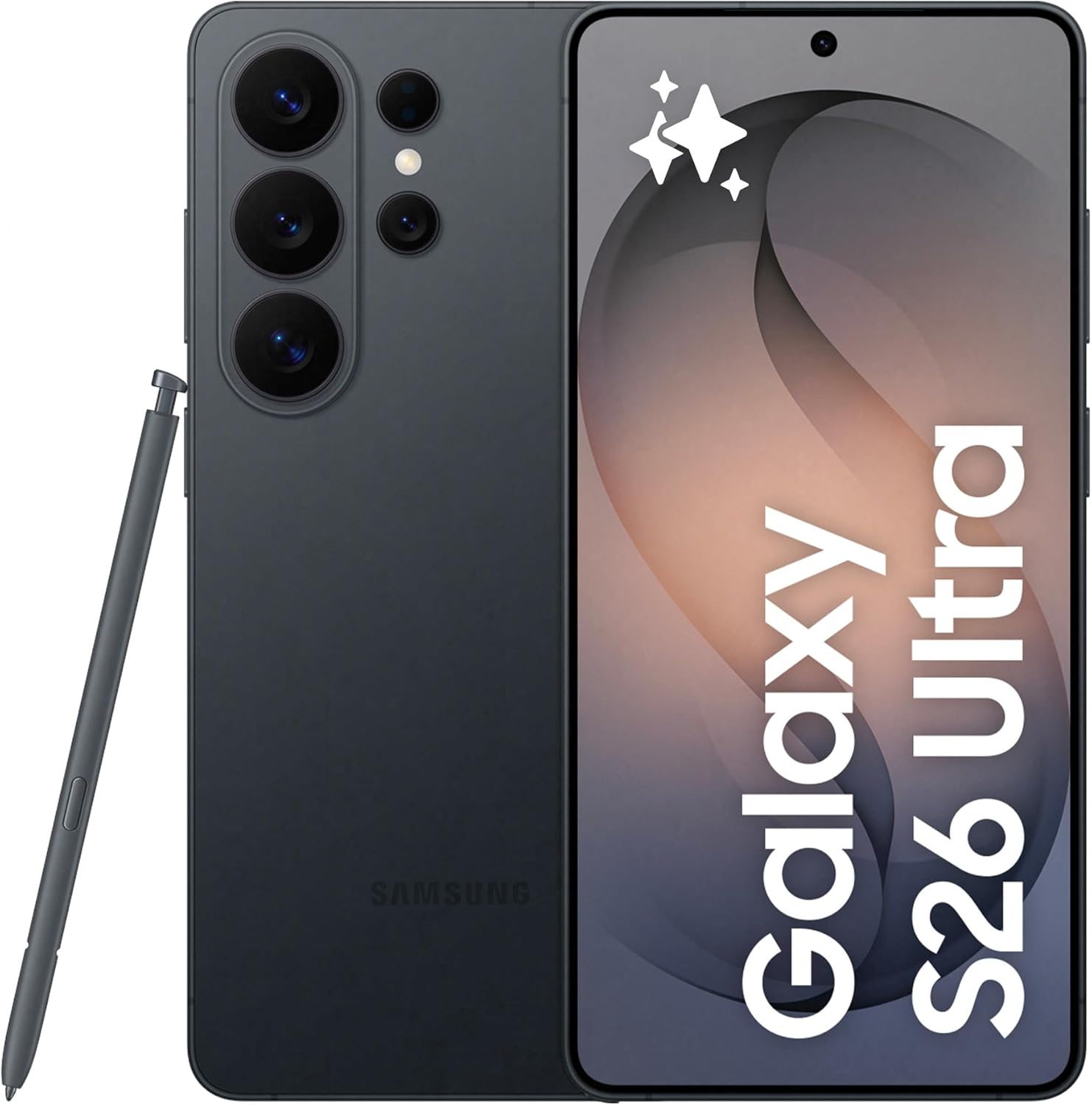
3. Samsung Galaxy S26 Ultra — the most feature-packed
The Galaxy S26 Ultra confirms itself as the most complete package in the Android world: alongside a latest-generation processor and more RAM for AI, it introduces an exclusive privacy display that automatically dims when viewed from the side. Brighter main and telephoto lenses, faster charging, and the included S Pen (now with no direct rivals) round out the picture. The differences from the Galaxy S25 Ultra remain marginal aside from the privacy display, though, so anyone who already owns the previous model can comfortably wait for the next generation.
4. Xiaomi 17 Ultra — a camera that happens to make calls
The Xiaomi 17 Ultra is arguably the photography phone of the moment: its 1-inch main sensor with LOFIC technology, its 200-megapixel periscope telephoto lens with mechanical optical zoom, and its Leica partnership combine into a phenomenal camera system. Compared to the previous generation, the body is finally slimmer and more manageable, getting closer to the thickness of a normal phone. Its battery, built to withstand heavy photography use, is among the largest in its class. The price, however, remains decidedly high, and is unlikely to drop anytime soon.

5. HONOR Magic8 Pro — balance, durability, night photography
Closing out the list is HONOR’s first real standout of 2026: a balanced, powerful phone with astonishing battery life. Its 200-megapixel telephoto lens with 3.7x optical zoom delivers excellent results even at night, while its IP69K rating makes it the toughest of the group (protected against dust, high-pressure water jets, and high temperatures). The Snapdragon 8 Elite Gen 5 chip delivers performance at the top of the Android class, with a noticeable slowdown only after dozens of minutes of intense gaming. Design is perhaps its weakest point, not too different from previous generations, but its feature-to-price ratio makes it one of the most sensible picks among the five.

Conclusion
Five different takes on what a “flagship” should be: the iPhone 17 Pro for video and privacy, the Pixel 10 Pro for AI and computational photography, the Galaxy S26 Ultra for anyone who wants the richest feature set, the Xiaomi 17 Ultra for serious photographers, and the HONOR Magic8 Pro for anyone looking for the best overall balance at a relatively more accessible price.